

The Rise of Algae in Skincare
Have you ever wondered if the ocean holds the secret to youthful, radiant skin? With the rise of natural and sustainable skincare, marine algae are emerging as one of the most scientifically promising ingredients. But what makes them so special? How do they actually work, and are they truly effective? Let’s dive into the science behind marine algae and their role in anti-aging skincare.
Let’s explore the mechanisms behind marine algae’s skin benefits, the scientific evidence supporting their effectiveness, and how they can be incorporated into your skincare routine.
- The Rise of Algae in Skincare
- Understanding Skin Aging: Why It Happens and How to Slow It Down
- 2. How Marine Algae Combat Skin Aging
- 3. How Marine Algae Work in Skincare Formulations
- 4. Risks and Considerations: Is Algae-Based Skincare Safe for Everyone?
- 5. How to Choose the Best Algae-Based Skincare Products
- 6. Long-Term Benefits of Marine Algae in Skincare
- 7. Conclusion: Should You Incorporate Marine Algae into Your Skincare Routine?
- Key Takeaways:
Understanding Skin Aging: Why It Happens and How to Slow It Down
Aging is an inevitable process that affects the skin at multiple levels, leading to fine lines, wrinkles, dryness, and loss of elasticity. To appreciate how marine algae combat aging, it’s essential to understand what causes skin aging in the first place. Skin aging is influenced by two primary factors:
- Intrinsic aging: The natural aging process, largely dictated by genetics. This involves a decline in collagen and elastin production, reduced cell turnover, and weaker skin barrier function over time (Saini et al., 2024).
- Extrinsic aging: Caused by environmental factors such as UV exposure, pollution, smoking, and poor diet, which generate free radicals and accelerate skin damage (Pereira, 2018).
Key culprits of skin aging include:
- Reactive Oxygen Species (ROS): These unstable molecules trigger oxidative damage, breaking down collagen and disrupting skin’s structure (Berthon et al., 2017).
- Matrix Metalloproteinases (MMPs): Enzymes that degrade collagen and elastin, leading to wrinkles and sagging skin (Yuan et al., 2024).
- Advanced Glycation End-Products (AGEs): Compounds that form when sugars bind to proteins, stiffening collagen and reducing skin elasticity (Ariede et al., 2017).

Marine algae offer a powerful solution by targeting these mechanisms through a combination of antioxidants, hydration boosters, and collagen-supporting compounds.
2. How Marine Algae Combat Skin Aging
Marine algae are uniquely equipped to survive in extreme ocean environments, where they are exposed to high levels of UV radiation, oxidative stress, and nutrient scarcity. To protect themselves, they produce a range of bioactive compounds that also offer profound benefits for human skin. These include:
- Polysaccharides: Moisture-binding molecules that enhance hydration and reinforce the skin barrier (Yuan et al., 2024).
- Antioxidants: Neutralize free radicals, preventing oxidative damage that leads to premature aging (Saini et al., 2024).
- Peptides and Amino Acids: Stimulate collagen production and improve skin firmness (Berthon et al., 2017).
- Phenolic Compounds: Reduce inflammation and help brighten skin tone (Pereira, 2018).
Let’s break down the most effective types of marine algae and their specific contributions to anti-aging skincare.
2.1. Brown Algae (Phaeophyceae): The Collagen Preservers
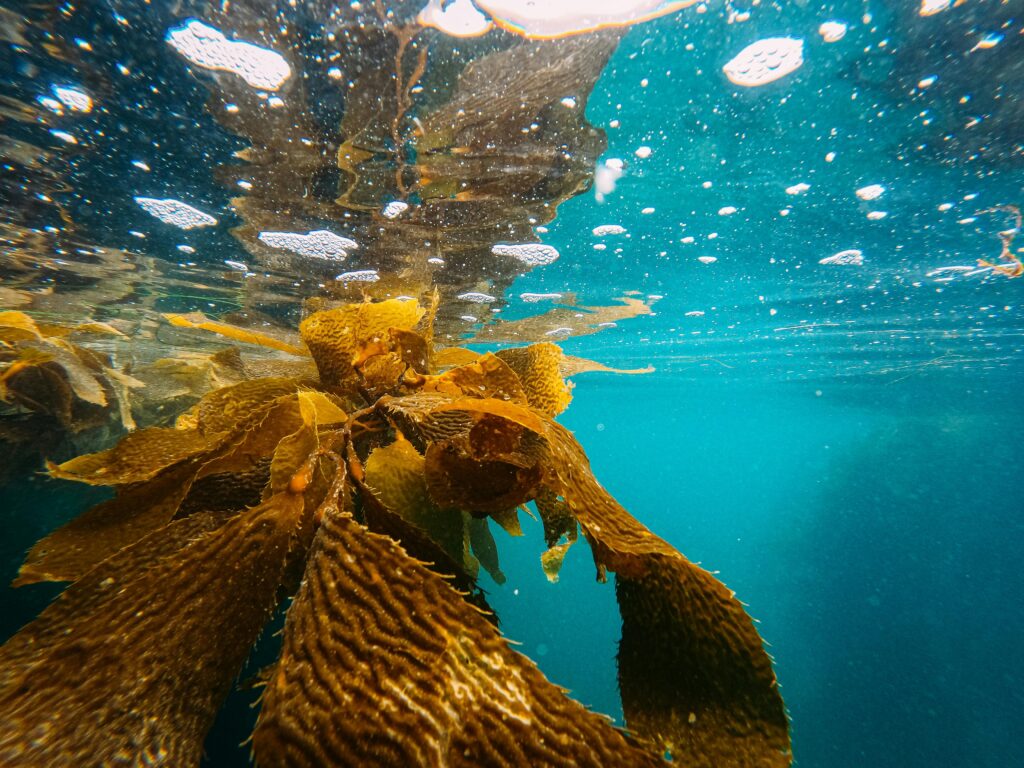
Brown algae, including Laminaria japonica and Fucus vesiculosus, contain fucoidan, a sulfated polysaccharide with strong anti-inflammatory and antioxidant properties. Research shows that fucoidan inhibits MMP activity, preventing collagen degradation and maintaining skin firmness (Yuan et al., 2024). Brown algae are also rich in phlorotannins, which have been shown to protect against UV-induced photoaging by scavenging free radicals (Saini et al., 2024).
Key Benefits:
Reduces wrinkles and improves skin elasticity.
Shields skin from oxidative stress and inflammation.
Enhances hydration and moisture retention.
2.2. Red Algae (Rhodophyceae): Natural UV Protection and Skin Brightening
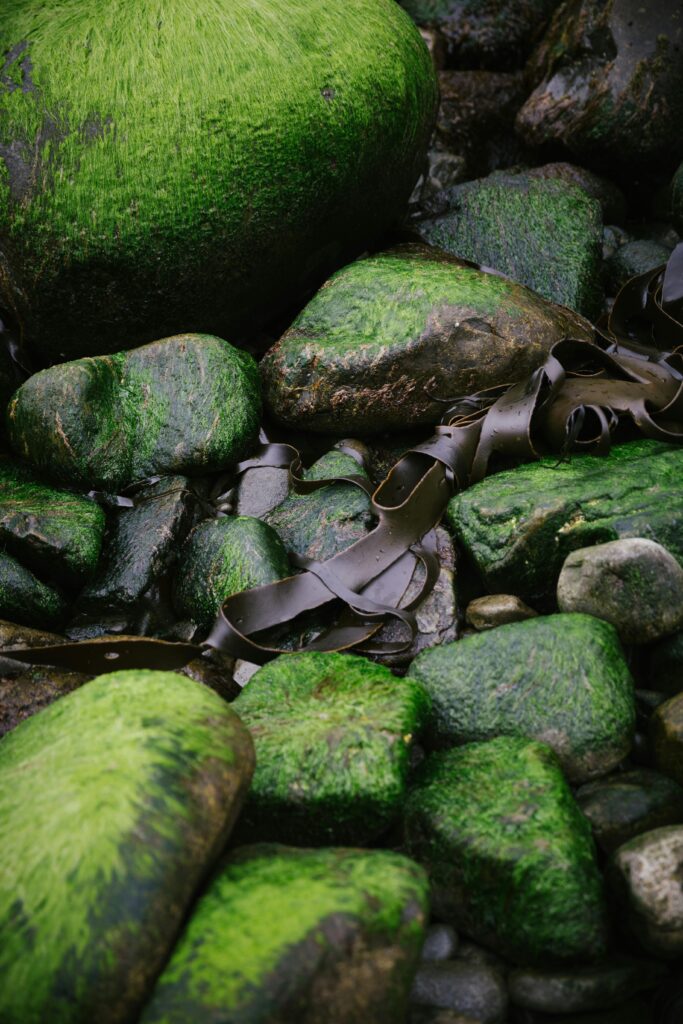
Red algae, such as Porphyra umbilicalis and Palmaria palmata, produce mycosporine-like amino acids (MAAs), natural compounds that absorb UV rays and help prevent sun damage (Pereira, 2018). Additionally, they contain astaxanthin, an antioxidant that is significantly more potent than Vitamin C in combating oxidative stress (Berthon et al., 2017).
Key Benefits:
Improves skin resilience and firmness.
Natural UV protection and anti-photoaging properties.
Brightens skin tone and reduces pigmentation.
2.3. Green Algae (Chlorophyceae): The Ultimate Hydration Boosters
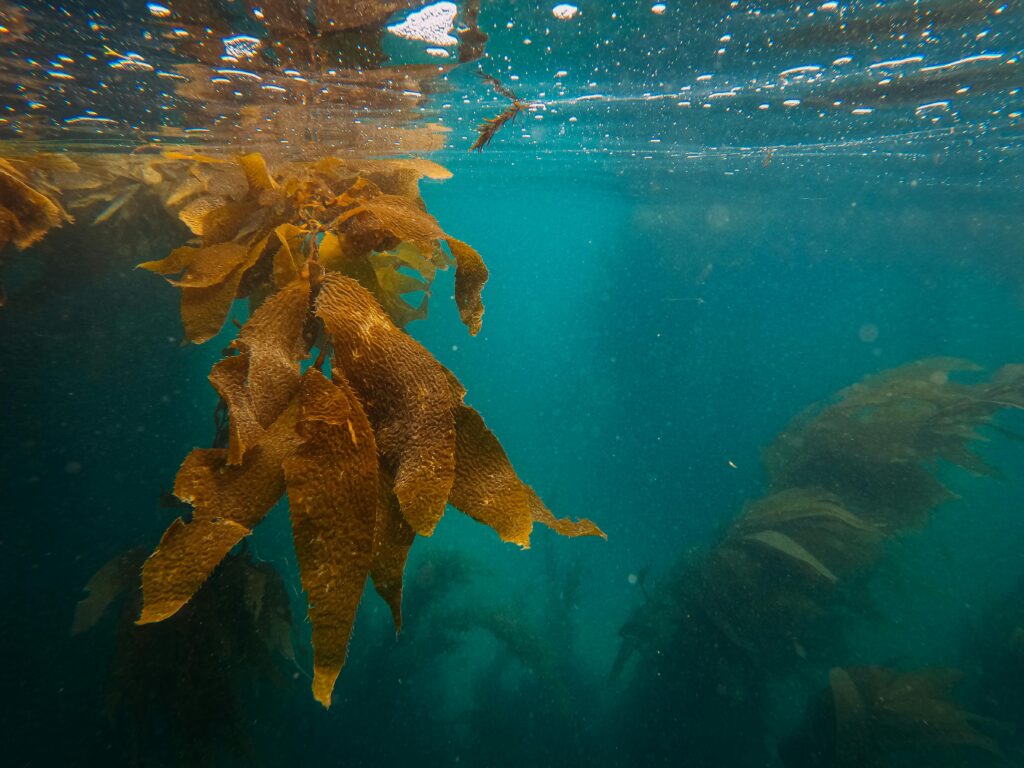
Green algae, such as Chlorella vulgaris and Dunaliella salina, are known for their high content of proteins, essential fatty acids, and chlorophyll, which provide deep hydration and aid in skin repair (Ariede et al., 2017). These algae have been found to stimulate fibroblast activity, supporting collagen production and enhancing overall skin texture.
Key Benefits:
Soothes irritation and reduces sensitivity.
Deeply hydrates and strengthens the skin barrier.
Promotes faster skin renewal and wound healing.
3. How Marine Algae Work in Skincare Formulations
The effectiveness of algae-based skincare depends on how well the active compounds are extracted and delivered into the skin. Here’s what research reveals about their formulation:
3.1. Enhanced Bioavailability and Skin Absorption
Many algal compounds, such as polysaccharides, have large molecular structures that limit skin penetration. However, new encapsulation technologies like liposomes and nanoemulsions have significantly improved their bioavailability, ensuring that they reach deeper layers of the skin (Yuan et al., 2024).
3.2. Synergistic Effects with Other Ingredients
Marine algae work best when combined with:
- Vitamin C – Boosts antioxidant power and brightens skin.
- Niacinamide – Reduces inflammation and strengthens the skin barrier.
- Hyaluronic Acid – Works with algal polysaccharides for deep hydration.
3.3. Sustainability Considerations
Not all algae-based products are eco-friendly. Overharvesting marine algae can disrupt delicate ocean ecosystems, making sustainable sourcing and ethical extraction methods essential. Look for brands that prioritize regenerative aquaculture and responsible harvesting practices.

Fun Fact:
Marine algae work even better when paired with skincare allies like:
✔️ Vitamin C – Boosts antioxidant power & brightens skin
✔️ Niacinamide – Calms inflammation & strengthens your barrier
✔️ Hyaluronic Acid – Teams up with algae for deep, lasting hydration
4. Risks and Considerations: Is Algae-Based Skincare Safe for Everyone?
While marine algae offer impressive skincare benefits, it’s essential to consider potential risks. Not all algae-based formulations are created equal, and certain factors should be evaluated before incorporating them into your skincare routine.
4.1. Potential Allergic Reactions and Sensitivities
Although generally well-tolerated, some individuals may experience mild irritation or allergic reactions to marine extracts. This is particularly true for ingredients like fucoidan and astaxanthin, which, despite their powerful antioxidant and collagen-supporting properties, can cause sensitivity in individuals with reactive skin (Yuan et al., 2024). As with any new skincare product, it is advisable to perform a patch test before full application to rule out potential irritation.
4.2. Heavy Metal Contamination Risk
Since algae absorb nutrients directly from their marine environment, they can also accumulate contaminants such as heavy metals (e.g., mercury, arsenic, lead) if harvested from polluted waters (Saini et al., 2024). To ensure safety, opt for skincare products from reputable brands that conduct third-party testing to verify purity and free-from heavy metal contamination.
4.3. Sustainability Concerns: Ethical Sourcing Matters
The growing popularity of marine algae in cosmetics raises concerns about overharvesting, which can disrupt fragile marine ecosystems. Sustainable aquaculture and responsible harvesting practices are essential to maintain the delicate balance of oceanic biodiversity (Ariede et al., 2017). When choosing products, look for certifications like EcoCert, COSMOS Organic, or MSC (Marine Stewardship Council), which indicate ethical and environmentally conscious sourcing.

To avoid heavy metal contamination, choose algae-based skincare from reputable brands that source clean waters and verify purity through third-party testing.
5. How to Choose the Best Algae-Based Skincare Products
Not all marine algae skincare products are equally effective. To ensure you’re getting the most out of these powerful ingredients, here’s what to look for:
5.1. Check for Key Bioactive Ingredients
The efficacy of algae-based skincare lies in its bioactive compounds. When reading ingredient lists, look for:
- Fucoidan – A polysaccharide from brown algae that supports collagen production and reduces inflammation.
- Astaxanthin – A potent antioxidant derived from red algae that protects against UV damage and oxidative stress.
- Mycosporine-like Amino Acids (MAAs) – Found in red algae, these natural UV-absorbing compounds protect against photoaging.
- Chlorella Extract – A green algae extract rich in amino acids that enhance hydration and skin renewal.
5.2. Look for Encapsulation and Advanced Delivery Systems
Due to their large molecular size, many algae-derived compounds struggle to penetrate deeply into the skin. Encapsulation technologies, such as liposomal delivery systems and nanoemulsions, significantly enhance bioavailability, ensuring that active ingredients reach the deeper layers of the epidermis where they can be most effective.
5.3. Prioritize Sustainably Sourced Products
Environmental impact matters. Overharvesting algae from the wild can deplete marine resources, affecting ocean biodiversity. Sustainably cultivated algae provide the same skincare benefits without harming ecosystems. Brands committed to responsible sourcing will often highlight traceability, eco-friendly harvesting, and marine conservation efforts.
5.4. Avoid Synthetic Fillers and Harsh Additives
Some skincare brands dilute the benefits of marine algae with synthetic fillers, fragrances, or harsh preservatives that may irritate the skin. Opt for clean formulations that contain high concentrations of active ingredients without unnecessary additives.

Key ingredients in algae-based skincare include fucoidan for collagen support, astaxanthin and MAAs for UV protection, and chlorella extract for deep hydration and renewal.
6. Long-Term Benefits of Marine Algae in Skincare
The key to seeing results with marine algae skincare is consistent use over time. Here’s what science reveals about the long-term impact:
6.1. Strengthening the Skin Barrier Over Time
Polysaccharides like carrageenan and laminarin, found in marine algae, help reinforce the skin barrier, reducing transepidermal water loss (TEWL) and keeping the skin plump and hydrated (Yuan et al., 2024). Over time, this leads to a more resilient complexion that retains moisture effectively.
6.2. Protection Against Photoaging and Hyperpigmentation
Studies indicate that astaxanthin, when applied consistently, reduces UV-induced oxidative stress and improves skin elasticity (Pereira, 2018). Clinical trials have shown that regular use of astaxanthin-infused skincare leads to fewer sunspots and a more even skin tone within 12 weeks (Berthon et al., 2017).
6.3. Slowing Down Collagen Degradation
One of the most impressive long-term benefits of brown algae extracts is their ability to inhibit matrix metalloproteinases (MMPs), the enzymes that break down collagen and elastin (Saini et al., 2024). By slowing this process, marine algae help preserve skin’s firmness and structure, reducing the appearance of deep wrinkles.
6.4. Cellular Repair and Regeneration
Green algae, particularly Chlorella vulgaris, has been found to stimulate fibroblast activity, encouraging faster skin cell turnover and improving overall texture (Ariede et al., 2017). Users who incorporate Chlorella-based serums or creams into their routine often report smoother skin and reduced fine lines over time.

Consistent use of marine algae skincare strengthens the skin barrier, protects against UV damage, slows collagen breakdown, and boosts cell regeneration for smoother, firmer skin over time.
7. Conclusion: Should You Incorporate Marine Algae into Your Skincare Routine?
If you’re seeking a natural, multi-functional, and scientifically backed anti-aging solution, marine algae deserve a place in your skincare regimen. When properly formulated and sustainably sourced, they offer long-term benefits ranging from deep hydration and collagen support to environmental protection and UV defense.
Key Takeaways:
Marine algae provide potent antioxidants, hydration, and UV protection.
Fucoidan, astaxanthin, and polysaccharides are among the most effective bioactive compounds for anti-aging.
Choosing sustainably sourced and well-formulated products maximizes skincare benefits.
Regular use of marine algae skincare leads to improved elasticity, skin barrier strength, and overall radiance.
Are you ready to experience the benefits of marine algae in your skincare? Let’s discuss your thoughts and experiences in the comments! 🌊✨
Talk to you soon!
Dr Bozica