

Is Niacinamide Really That Gentle?
Niacinamide has a reputation for being the ‘safe’ active: non-acidic, barrier-friendly, and widely recommended as suitable for almost everyone. But if you’ve ever applied a niacinamide product and felt an unexpected flush, sting, or creeping redness, you’re not alone, and you’re not imagining it.
This post isn’t just another round of “it works for me” or “my skin hates it.” We’re digging into clinical trials, formulation details, and biochemical behavior to explain why this reaction happens, who’s more likely to experience it, and what you can do to avoid it. Because skin doesn’t respond to ingredients in a vacuum. It responds to how they’re delivered, what they’re paired with, and whether they’re stable when they land on your skin.
- Is Niacinamide Really That Gentle?
- Mechanism of Irritation: It’s Not Niacinamide. It’s What It Becomes
- What Clinical Evidence Actually Shows About Niacinamide and Flushing
- What’s Actually on the Market and Why It Matters
- Who's More Likely to React and Why
- Should You Avoid Niacinamide Altogether?
- In the End, it’s the Formula, Not Just the Ingredient
Mechanism of Irritation: It’s Not Niacinamide. It’s What It Becomes
Niacinamide (vitamin B3) itself is not a known irritant. It’s actually a barrier-supportive, inflammation-regulating molecule involved in the production of NAD⁺, your cells’ metabolic energy currency. However, under certain conditions, it can degrade into nicotinic acid (niacin), a well-known vasodilator.
This is important because nicotinic acid triggers the dilation of capillaries near the skin’s surface, leading to that warm, red, sometimes itchy flush. Not everyone is sensitive to this transformation, but it’s a real phenomenon supported by research.
The breakdown from niacinamide to nicotinic acid is more likely when:
- The formulation has a low pH (typically under 4.5)
- It’s exposed to UV light or air, particularly in unstable or poorly preserved products
- It’s used at high concentrations, especially above 5 percent, without stabilizing support

Some early studies that reported flushing from topical niacinamide were actually using nicotinic acid, not niacinamide.
What Clinical Evidence Actually Shows About Niacinamide and Flushing
Let’s move from theory to real-world data. Among the clinical trials reviewed, most reported that niacinamide was well tolerated at concentrations between 2 and 5 percent.
In one 12-week study using 5 percent niacinamide moisturiser, niacinamide was well tolerated by the skin.
In studies focused on acne, hyperpigmentation, and photoaging:
- Mild irritation (dryness, tingling) occasionally showed up around week 2 to 4, especially in gel formulas or with concurrent use of exfoliating acids or retinoids.
- When paired with skin-barrier actives like panthenol, glycerol, or ceramides, the tolerability improved significantly.
So while niacinamide itself isn’t a frequent irritant, how it’s delivered and what else is in the routine makes a measurable difference.
What’s Actually on the Market and Why It Matters
Two 5 percent niacinamide products can behave completely differently on your skin depending on formulation design.
Let’s break down the real-world findings:
Gel-based products, especially those containing alcohol or high levels of propylene glycol, are more likely to trigger transient redness. This is especially common in acne treatments that also include salicylic acid or sulfur.
Liposomal formulations, on the other hand, show promise for both better penetration and reduced irritation. These systems allow niacinamide to absorb more gradually and avoid the sudden exposure that can trigger flushing.
Buffered emulsions that combine niacinamide with supportive humectants such as panthenol, hyaluronic acid, or glycerin tend to be the most tolerable across skin types. These products not only reduce irritation risk but also maintain clinical efficacy in improving pigmentation and hydration.

You can’t assess irritation risk by percentage alone. A well-buffered 5 percent cream may be more effective and tolerable than a 10 percent serum that lacks proper formulation support.
Who’s More Likely to React and Why
Not all skin reacts to niacinamide the same way. If you’ve ever flushed or stung after applying it, that doesn’t automatically mean your skin “can’t handle it.” It likely means the formulation wasn’t suited to your skin’s current state.
People with rosacea, eczema, or a disrupted skin barrier are more prone to reactivity. When the outer layers of skin are compromised, your skin becomes more permeable and more likely to react to otherwise mild ingredients. Even external factors like cold weather, over-cleansing, or recent use of retinoids can change how your skin processes niacinamide.
There’s also a concentration threshold. A 2% niacinamide cream with moisturizers tends to be well tolerated. But a 10% serum with minimal cushioning ingredients can lead to irritation—especially if your barrier is already impaired.
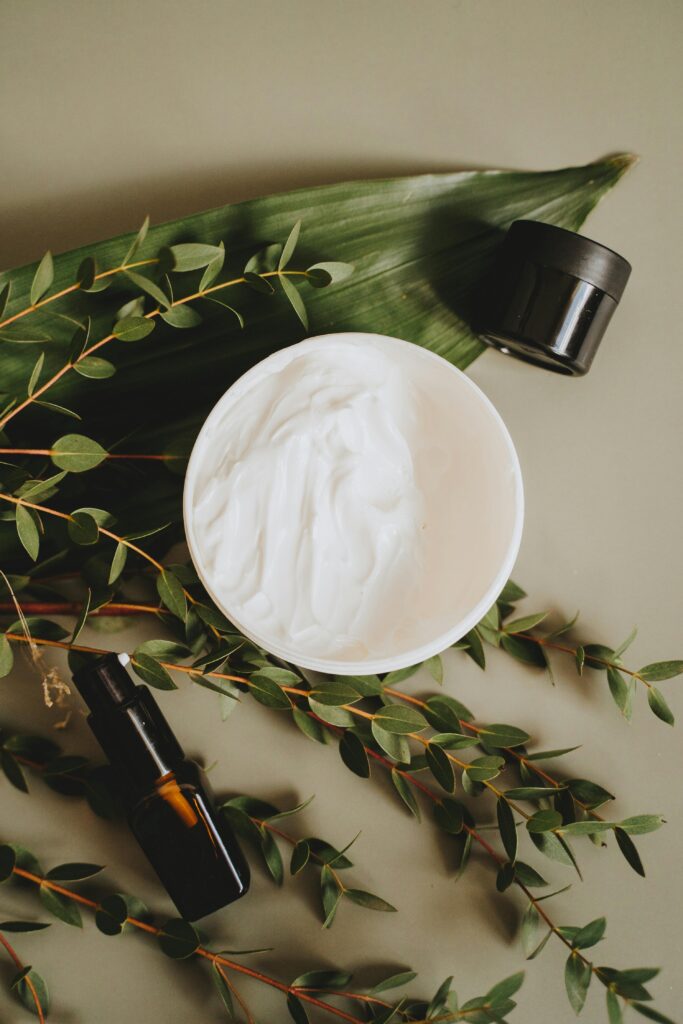
If your skin tends to be sensitive, start with a 2% to 5% niacinamide product in a lotion or cream base. Look for formulas that include panthenol, allantoin, or other calming ingredients.
Should You Avoid Niacinamide Altogether?
For most people, niacinamide is a very tolerable and useful ingredient. But that doesn’t mean it’s foolproof.
You might need to pause or adjust your approach if:
- You’ve had repeated flushing or stinging with different niacinamide products
- You’re using exfoliating acids, benzoyl peroxide, or retinoids in the same routine
- Your skin is visibly inflamed, flaky, or sunburned
In these situations, it’s worth simplifying. Step back from high percentages or water-light textures. Opt for a lower concentration in a buffered formula, preferably in a cream.
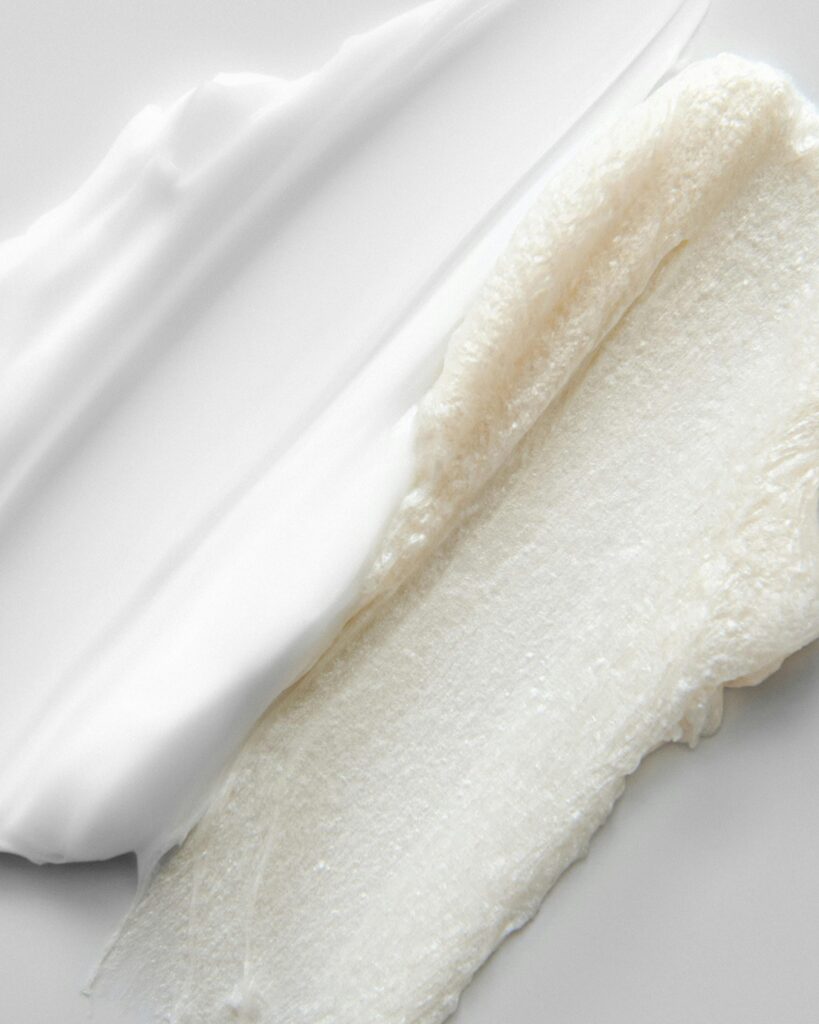
What’s often labelled as a “reaction to niacinamide” is usually a reaction to the way it’s delivered. The ingredient itself rarely causes problems when properly formulated.
In the End, it’s the Formula, Not Just the Ingredient
Niacinamide has meaningful evidence behind it—from improved barrier function and pigmentation to reduced inflammation. But it still needs to be used thoughtfully.
Two products with the same percentage can perform completely differently depending on pH, delivery method, stabilizers, and supporting ingredients. And your skin’s condition on the day you apply it? That matters too.
Irritation doesn’t always mean an ingredient is wrong for you. Sometimes, it just means you need a version that respects your skin’s limits.
If niacinamide has ever left your skin flushed or irritated, don’t give up on it yet. Look closer at the formulation, the texture, and what else is going on in your routine.
Still unsure where to start? I can help you make sense of your ingredient deck, spot red flags, and choose what’s most compatible for your skin needs.
Talk to you soon!
Dr Bozica