What glycolic acid does
Glycolic acid is an alpha hydroxy acid, or AHA. It loosens the bonds between dead skin cells so skin sheds them more evenly.
This can improve rough texture, dullness, clogged-looking pores, and some post-inflammatory marks over time. Glycolic acid has a small molecular size, so it penetrates the skin more easily. That helps explain why it works well. It also helps explain why it can sting when the dose is too high for your skin. Check out in detail What is glycolic acid, and how does it benefit skin?
- What glycolic acid does
- How to use glycolic acid without irritating yourself
- How to apply glycolic acid
- What to use after glycolic acid
- Glycolic acid versus salicylic acid
- Can you use glycolic acid every day?
- Signs that your dose is too high
- FAQ
- How do I apply glycolic acid correctly?
- Should I moisturise after glycolic acid?
- What should I use after glycolic acid?
- Can I use glycolic acid every day?
- What happens if I use glycolic acid every day?
- Is 5% glycolic acid safe for daily use?
- Can I use glycolic acid with retinoids?
- Can I use glycolic acid on dry or flaky skin?
- Why does glycolic acid sting?
- The bottom line
How to use glycolic acid without irritating yourself
Start lower than you think you need.
Literature suggests starting with lower concentrations and increasing only as tolerance allows. Chen’s 2022 acne study used a commercial 5% glycolic product and found improvement in mild to moderate acne measures in most participants, with generally good tolerability. Some reported dryness or stinging, and one person stopped because the product did not suit their skin.
A few nights in a row can sound harmless. On reactive skin, that can be enough to start irritation. Stronger formulas, extra exfoliants, retinoids, acne treatments, scrubs, friction, and a dry barrier all add load.
Pre-existing dryness, recent irritating topicals, and over-scrubbing increase complication risk around glycolic procedures. Home routines go wrong for the same reasons.
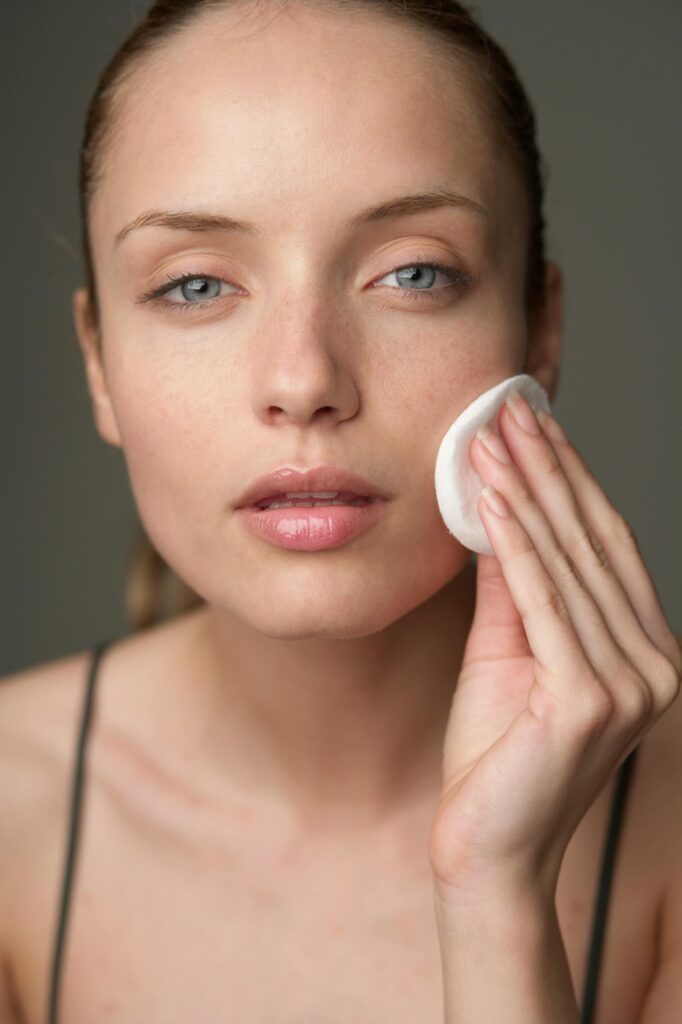
Skin usually handles glycolic acid better when you focus on total use over time, not on using it as often as possible.
How to apply glycolic acid
Apply glycolic acid to intact skin. Skip areas that already feel dry, sore, or stingy. Take extra care around the corners of the nose and mouth, where irritation often shows up first.
Keep the rest of the routine simple. On glycolic acid nights, hydration and moisturiser usually do more for your skin than extra actives.
If the skin starts to sting more with each use, feels tight the next day, or stays red for longer than usual, reduce the frequency or stop for a few days. Those signs point to barrier strain.
What to use after glycolic acid
Use hydration and moisturiser, then stop.
Glycolic acid works by speeding up shedding in the outermost layer of skin. Moisturiser helps support the barrier while that happens. (How to pick the right moisturiser here). When skin feels tight after glycolic acid, that is usually a sign of stress, not proof that glycolic acid is working. Moisturiser is not erasing the result. It is helping the barrier recover so you can keep using the acid without pushing the skin too far.
Glycolic acid versus salicylic acid
This comparison is especially helpful for acne-prone skin.
Split-face acne study where salicylic acid peels performed as well as, and in one study better than, glycolic acid peels, with fewer side effects.That makes sense when you look at how salicylic acid behaves. Because it is more oil-loving, it can slip into pore-rich, oilier areas more easily than water-loving ingredients can.
That does not make glycolic acid the wrong choice. It means the best routine usually matches the ingredient to the main problem. If congestion drives most of the issue, salicylic acid may fit more neatly. If rough texture, surface dullness, or post-blemish marks sit higher on the list, glycolic acid may earn its place.
Can you use glycolic acid every day?
Some people can. Plenty cannot.
The literature does not hand over one universal frequency because tolerance depends on concentration, formulation, barrier condition, and routine context. Chen’s study suggests that repeated low-strength use can work for some acne-prone adults. Sharad’s review makes clear that excessive glycolic exposure can trigger stinging, erythema, irritation, transient pigment change, and acne flare.
Daily use sits at the higher end of exposure for a lot of skin. If the barrier can handle it, daily use may be fine. If the barrier cannot handle it, daily use quickly creates irritation.
Signs that your dose is too high
If stinging builds over consecutive uses, tightness or patchy flaking starts to linger, or you keep adding products to fix dryness created by the acid, the load is too high.
When those signs show up, simplify. Reduce frequency. Drop competing actives. Let the barrier settle.
FAQ
How do I apply glycolic acid correctly?
Apply it to intact skin, avoid already-irritated areas, and keep the rest of the routine simple. The literature shows that irritation rises when skin is already stressed by scrubbing, dryness, or other strong actives.
Should I moisturise after glycolic acid?
Yes. Moisturiser supports comfort, barrier function, and long-term tolerance. Peel aftercare guidance in the reviewed studies repeatedly pairs exfoliation with moisturiser and sun protection.
What should I use after glycolic acid?
Use hydration and moisturiser, then stop. Extra exfoliation, friction, or multiple active layers increase the risk of irritation.
Can I use glycolic acid every day?
Possibly, but not everyone will tolerate that frequency. Daily use depends on the formula, the dose, the rest of the routine, and the condition of the barrier.
What happens if I use glycolic acid every day?
Some people get smoother texture and improvement in mild acne features over time. Others develop dryness, stinging, redness, flaking, or pigment trouble when the barrier cannot keep pace.
Is 5% glycolic acid safe for daily use?
A small 2022 study suggests that a 5% glycolic product can work well for some adults with mild to moderate acne, with generally good tolerability. Even so, some developed dryness or stinging, so safety still depends on the formula and the skin using it.
Can I use glycolic acid with retinoids?
That combination often increases irritation because already-stressed skin is more reactive. If you want to use both, a simple schedule usually works better than layering them together. In most cases, that means not using them on the same day. More on this topic here.
Can I use glycolic acid on dry or flaky skin?
Only with caution. Dryness and visible barrier strain increase the chance of stinging and irritation. Glycolic acid can help rough texture, but damaged skin often needs barrier support first.
Why does glycolic acid sting?
It usually stings because the barrier already feels compromised, the formula runs strong, the pH runs low, the frequency is too high, or too many irritating products sit in the same routine.
The bottom line
Glycolic acid works best when you think in terms of gradual progress, not quick results. Small, controlled exposure followed by good barrier support gives your skin a better chance to improve without becoming irritated.
If your routine keeps cycling through push hard, recover, repeat, the dose is too high for the skin in front of you. A slower approach usually gets you further.
Thanks for reading.
Tell me what you use glycolic acid for, and what your skin does when you try.
If you want skincare explained by a scientist who actually formulates, follow my page. I publish new evidence-based breakdowns every week.
Dr Bozica